
A Local Guide's Secrets: How to Spot More Animals in Manuel Antonio
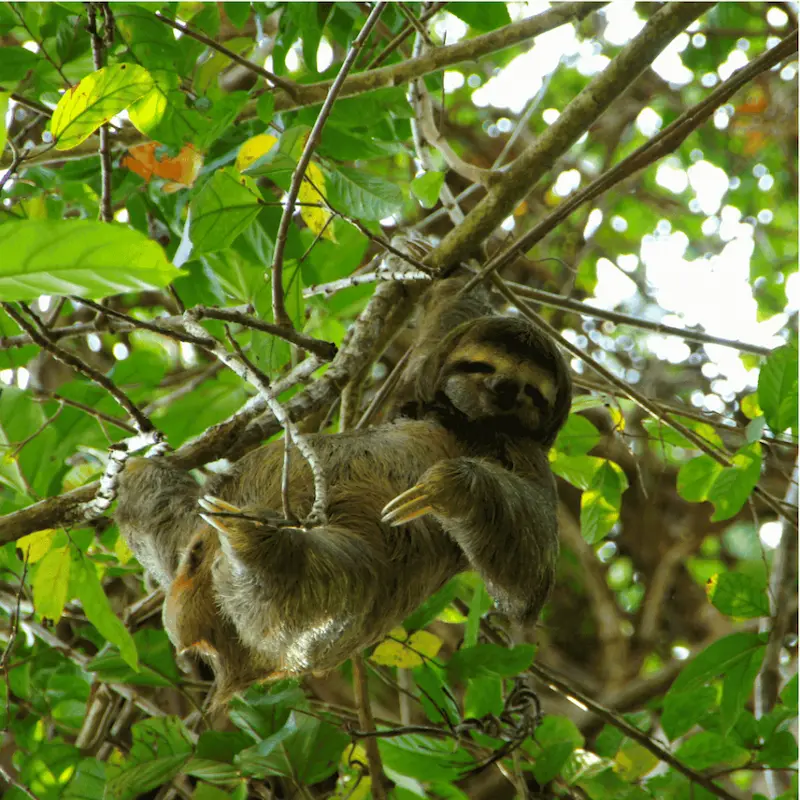
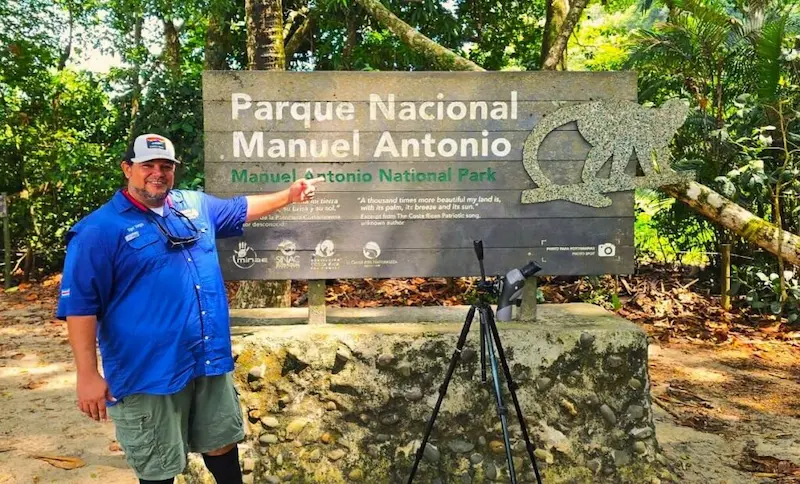
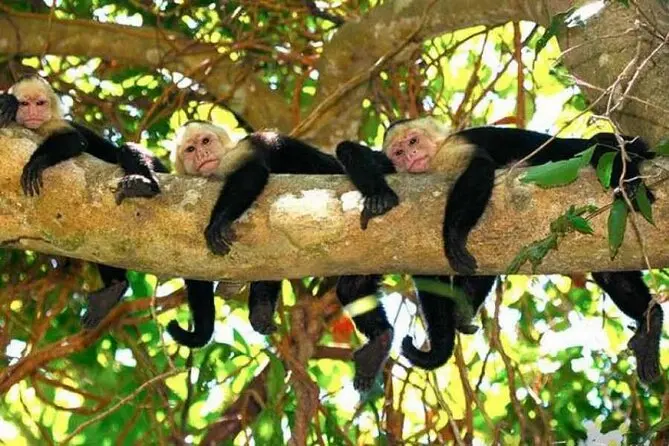
You arrive at Manuel Antonio National Park, a place famous worldwide for its incredible density of wildlife. You come with your camera ready and the dream of seeing a yawning sloth, a troop of monkeys leaping through the branches, and a red-eyed tree frog staring back at you. But after an hour of walking, the only thing you've seen clearly are other tourists. Sound familiar?
Manuel Antonio National Park is teeming with life, but spotting its most elusive inhabitants requires more than luck. It takes a technique, a mindset, and above all, the secrets that local guides have perfected for generations. Today, we're sharing a few of them with you to transform your next visit from a simple walk into a true tropical safari.
Secret #1: Switch from "City Mode" to "Jungle Mode"
The first and most common mistake is to walk through the jungle with the same haste as in the city. To see animals, you first have to learn to move like them: with intention, stealth, and patience.
- Silence is Your Ally: Talking loudly, stomping your feet, or making sudden noises is like sending an alarm signal to the entire jungle. Walk slowly, stop often, and just listen.
- Use All Your Senses: Don't just look. Do you smell a musky scent? It could be a group of coatis nearby. Do you hear a deep, guttural sound? Those are the howler monkeys.
- Patience is a Superpower: Animals don't work on your schedule. Sometimes, the best sighting happens when you stand still for five minutes, watching a single tree.
"The jungle doesn't reveal its secrets to those in a hurry. It whispers them to those who stop to listen."
Secret #2: Learn to "Read" the Forest
An experienced guide doesn't look randomly; they look for patterns. The jungle is an open book if you know what signs to look for.
Follow the "Dinner Table"
The golden rule: where there's food, there are animals. Instead of looking directly for a sloth, look for its favorite food: the tender leaves of the Cecropia (Guarumo) tree. A guide knows exactly which trees are in season and where to find them.
Look for Anomalous Movement
The untrained eye looks for the shape of a monkey. The trained eye looks for a branch that sways when there's no breeze. This is often the first clue of a perfectly camouflaged animal.
Secret #3: Timing and Location are Everything
For a detailed plan of your visit, don't miss our Ultimate Guide to the Park. But in summary: the early morning and late afternoon are the best times. And the night is a completely different world, which you can only explore on a specialized Night Tour.
Secret #4: The Sighting Multiplier
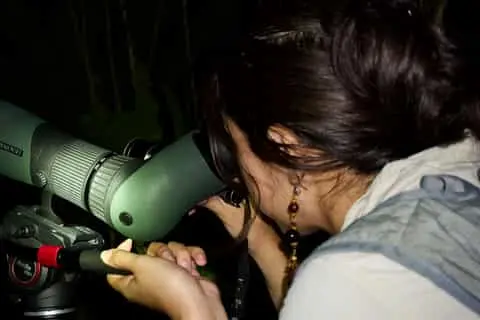
You can read all the blogs, but nothing replaces decades of experience. A certified local guide doesn't just carry a high-powered telescope; they carry encyclopedic knowledge and multiply your chances of success.
- They Know the "Neighbors": They know which tree a sloth family usually sleeps in.
- They Turn "Seeing" into "Understanding": Its not just "look, a monkey," but *why* it behaves that way.
- It's a Legacy: At Native Tours, this knowledge is a legacy passed down from pioneers.
Now that you know some of our secrets, are you ready to put them into practice? Remember to also prepare properly; our essential what-to-pack checklist will help you not forget anything important.